

India’s trade growth is placing greater responsibility on its ports. As manufacturing expands, exports become time-sensitive, and inland markets require stronger connectivity, terminals have to support faster, cleaner and better-planned cargo movement.
This shift is important because maritime logistics carries around 80% of global trade by volume. India’s major ports handled 915.17 million tonnes of cargo in FY 2025–26, recording 7.06% year-on-year growth. With higher volumes moving through the system, terminal performance now has a direct impact on logistics cost, delivery timelines and export competitiveness.
From Cargo Handling to Cargo Flow
Traditional ports were judged mainly by berth availability, crane productivity, yard space and gate movement. These remain important, but trade today depends on the full cargo chain.
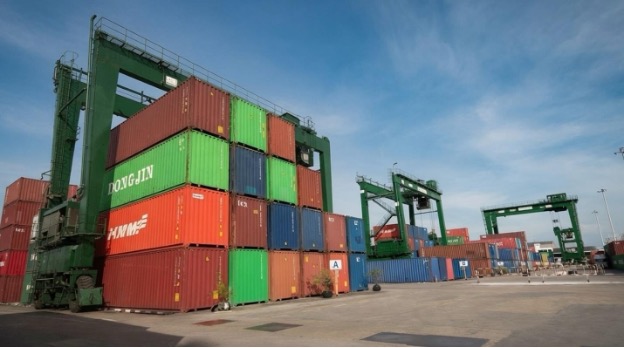
A container handled quickly at the quay can still face delays if yard planning, documentation, road evacuation or rail movement is slow. This is why container terminal operations are becoming more focused on cargo flow across connected touchpoints.
Modern terminals need tighter coordination between shipping lines, customs processes, transporters, rail operators, CFS facilities and cargo owners. Better coordination improves supply chain efficiency and gives businesses greater control over dispatch and delivery planning.
Why Smart Ports Matter
Smart ports are emerging because port operations now need sharper planning and clearer information. Terminal teams have to manage vessel schedules, yard density, equipment use, gate activity and inland evacuation within tighter operating windows.
Smart port technology helps reduce dwell time, improve cargo visibility, strengthen yard planning and identify operational issues earlier. For cargo owners, this means fewer surprises and better planning.
This is also where digital transformation in logistics becomes relevant. The focus is not technology for display. It is the use of data, visibility tools and connected processes to reduce friction across the cargo journey.
Planning Tools and Automation
Terminal operating systems help terminals manage vessel planning, yard allocation, container tracking, equipment deployment and gate processes. They give operating teams a clearer view of what is moving, where it is placed and when it can be cleared.
Port management systems extend this view across stakeholders such as customs-linked processes, rail operators, transporters and customers. This helps terminals respond faster when cargo movement is affected.
Automated container terminals bring equipment, sensors and control systems into one operating layer, helping ports improve yard discipline, safety and throughput. In India, port automation should be applied where it solves clear operational issues such as congestion, idle equipment time, safety risks or inconsistent cargo planning.
Port Infrastructure and Inland Reach
Technology can improve planning, but port infrastructure still sets the pace. Deep draft berths, reliable cranes, yard capacity, road access, rail links and inland connectivity determine how efficiently cargo can move at scale.
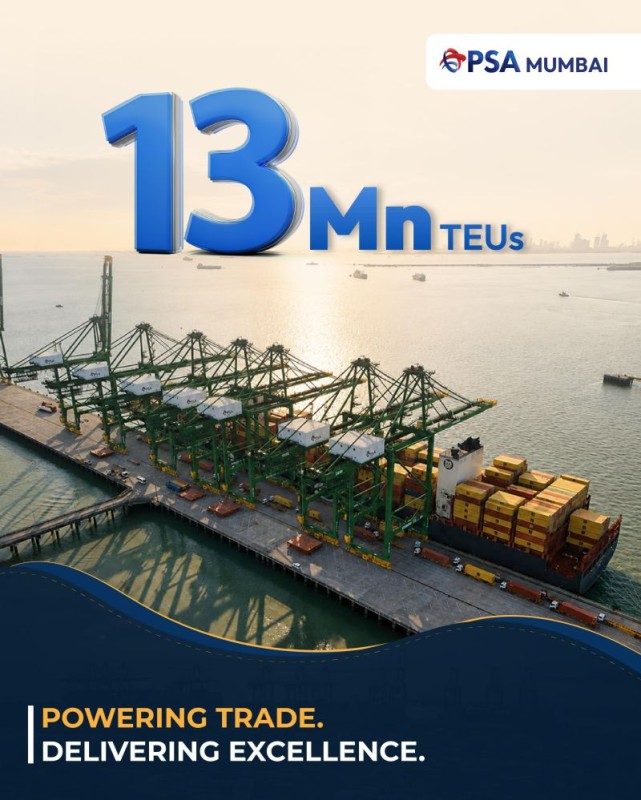
India’s terminal evolution is also visible in the way gateway ports are being linked more closely with hinterland markets. PSA Mumbai’s Phase 2 expansion has increased annual capacity to 4.8 million TEUs, supported by Dedicated Freight Corridor (DFC)-compatible rail infrastructure.
This strengthens the movement of cargo from the port gate to key consumption and manufacturing centres across the hinterland.
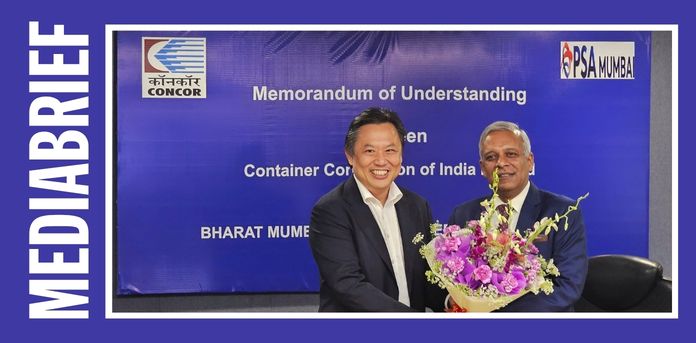
PSA Ameya extends this connectivity through container freight station (CFS) services, warehousing and customs-linked cargo handling. Together, PSA Mumbai and PSA Ameya show how modern port ecosystems are moving beyond terminal handling to support more integrated cargo movement across the supply chain.
Sustainability and Competitiveness
Sustainable ports are becoming important because trade growth must reduce avoidable congestion, idling and emissions. Cleaner terminal operations are closely linked to better planning and faster evacuation.
Rail-linked movement can reduce road pressure. Electrified equipment can lower terminal emissions. Better yard planning can cut idle time. These improvements matter as India’s cargo volumes rise and port regions handle greater activity.
For India, sustainability is not separate from competitiveness. Efficient and cleaner terminals can support manufacturing, exports and long-term trade growth with lower operational waste.
What This Means for India
The global shipping industry is becoming more demanding, with larger vessels, tighter schedules and higher customer expectations. India will need terminals that can handle scale with discipline.
The next phase of port growth will depend on capacity, connectivity, visibility, automation and cleaner operations working together. Terminals that perform well across these areas can help exporters meet timelines, manufacturers plan better and inland regions connect more effectively with global trade routes.
India’s port future will be shaped by how smoothly cargo moves through the full trade chain. That is where modern terminals can create lasting economic value.
Frequently Asked Questions
1. Why are container terminals important for India’s growth?
They connect manufacturing centres, inland markets and exporters with global trade routes.
2. What makes a port smart?
A smart port uses data, connected infrastructure and visibility tools to improve planning and cargo movement.
3. How do terminal operating systems help?
They support vessel planning, yard allocation, container tracking, gate processes and equipment deployment.
4. Why does rail connectivity matter for terminals?
Rail connectivity helps move cargo faster to inland markets and reduces pressure on road networks.
5. How are integrated terminal ecosystems improving cargo movement?
Integrated ecosystems combine terminal capacity with rail connectivity, ICD access, CFS services, warehousing and customs-linked handling.