The Indian logistics sector is moving from scale to strategy. As manufacturing expands, consumption grows, and global supply chains diversify, India’s ability to move cargo efficiently is becoming central to its economic competitiveness.
The logistics industry in India is also being shaped by a larger shift in how businesses view supply chains. Cargo movement today is about reliability, visibility, cost efficiency and integration across ports, rail, roads, CFS facilities, warehousing and digital systems.
With its long coastline, growing manufacturing clusters, strong trade base and expanding multimodal infrastructure, India is well-positioned to strengthen its role as a global logistics hub. The next phase will depend on how effectively the country converts infrastructure scale into predictable cargo movement.
Freight Cost in India
Reducing freight cost in India remains a priority for businesses and policymakers. Logistics costs are now estimated at roughly 8% of GDP, supported by improvements in port performance, road infrastructure, rail connectivity and cargo planning.
However, freight cost is not shaped only by transport rates. Delays, documentation gaps, storage inefficiencies, poor cargo visibility and weak last-mile connectivity can all add hidden costs. For exporters and importers, predictable movement is as important as lower cost.
A stronger multimodal network can improve this balance. Rail supports long-distance freight movement, while road remains important for regional distribution and last-mile delivery. When ports, rail corridors, inland terminals and warehouses work together, cargo owners gain better control over timelines, inventory and cost.
Infrastructure and the Future of Logistics in India
The future of logistics in India is being shaped by integrated infrastructure development. Initiatives such as PM Gati Shakti and the National Logistics Policy are helping align ports, highways, rail corridors, inland logistics facilities and industrial clusters.
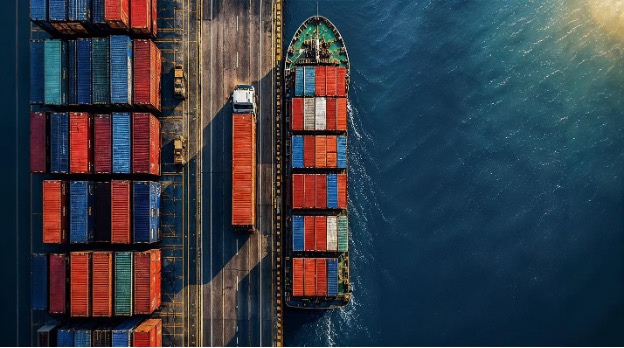
Ports are steadily evolving into integrated trade gateways, with a broader role across vessel handling, cargo evacuation, rail connectivity, customs-linked services and customer visibility.
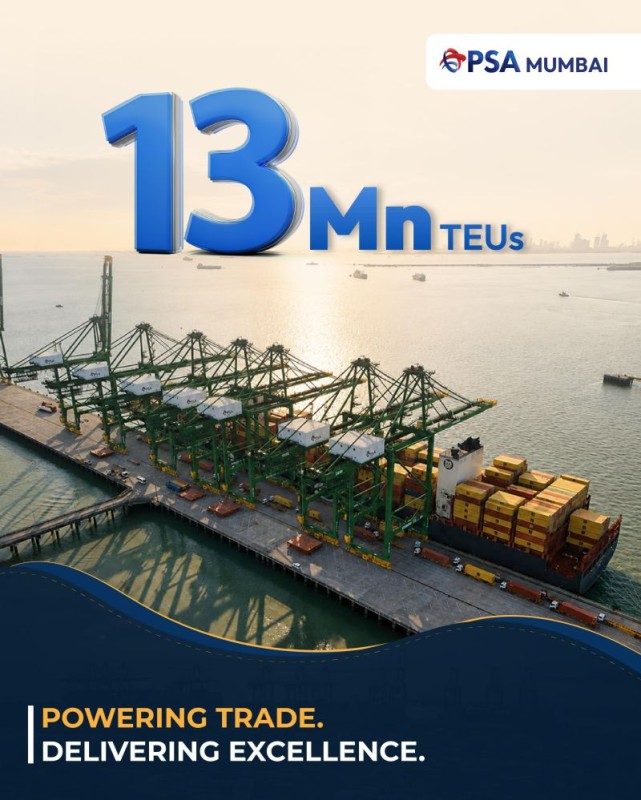
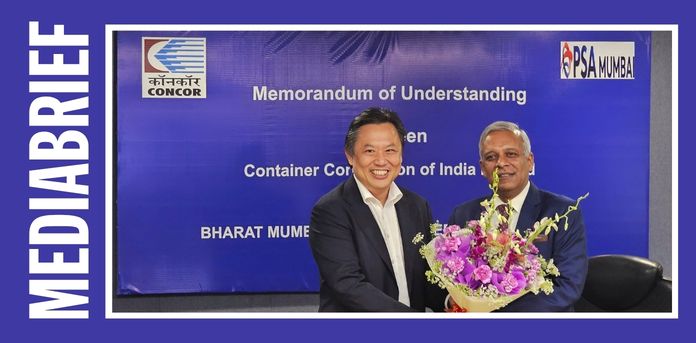
PSA India reflects this shift through infrastructure and services that connect port capacity with inland cargo movement. PSA Mumbai’s Phase 2 expansion has doubled capacity to 4.8 million TEUs, supported by six DFC-compatible rail lines connected to over 63 Inland Container Depots. This strengthens cargo evacuation from the gateway into key hinterland markets. PSA Ameya extends the network through CFS services, warehousing and customs-linked cargo handling, supporting smoother movement across the cargo journey.
Digitalisation is also becoming central to logistics efficiency. Terminal operating systems, cargo visibility platforms, digital documentation and data-led planning help improve coordination across the supply chain. For customers, this means better shipment visibility, faster planning and smoother cargo movement from port to inland destination.
Ongoing Logistics Challenges in India
Despite progress, logistics challenges in India remain. Infrastructure quality is uneven beyond major corridors, last-mile connectivity needs improvement, and a limited share of warehousing meets global Grade-A standards. Addressing these gaps will be essential to sustain growth at scale.
Looking Ahead
As global supply chains prioritise resilience and diversification, India’s ability to move cargo efficiently will be decisive. With continued investment, integration and execution, the logistics sector is steadily shifting from a cost consideration to a competitive advantage for the economy.
The next phase of logistics growth in India will depend on how well infrastructure, technology and operational capability come together. If India can deliver consistency at scale, logistics can become a strong enabler of trade, manufacturing and long-term economic growth.
Frequently Asked Questions
1. Why is India well-positioned to become a global logistics hub?
India has a strong trade base, great domestic demand, expanding manufacturing capacity, a long coastline and improving logistics infrastructure.
2.What is the main logistics challenge for India?
The main challenge is coordination across ports, rail, roads, CFS facilities, warehouses, customs systems and digital platforms.
3.Why does freight cost matter for exporters and importers?
Freight cost affects delivery timelines, inventory planning, pricing and customer commitments.
4.Why is multimodal logistics important?
Multimodal logistics gives cargo owners reliable movement options by combining rail for long-distance freight and road for regional and last-mile delivery.
5.How does digitalisation improve logistics efficiency?
Digitalisation improves visibility, planning, documentation, cargo tracking and coordination across the supply chain.
6.What role do ports play in India’s logistics future?
Ports are becoming integrated trade gateways that connect vessel handling with inland cargo movement, rail evacuation and customer visibility.