For a large part of India’s economy, value is perishable.
It sits inside a mango crate waiting for grading, a seafood container moving towards the port, a vaccine shipment that must remain stable, or a frozen food consignment awaiting dispatch. The product may be ready for the market, but its value is protected only when storage, handling, temperature, documentation and movement stay aligned.
That is why cold chain logistics is becoming important to India’s next phase of growth. It is linked to farm incomes, food quality, healthcare reliability, retail expansion and export competitiveness. As India produces and consumes at a greater scale, the country also needs stronger systems to protect goods that are sensitive to delay, heat, humidity and handling gaps.
Protecting Value in the Food Chain
India produces large volumes of perishable food, from fruits and vegetables to dairy, meat, poultry and seafood. The challenge is that value can be lost before the product reaches the customer.
A stronger food supply chain helps close this gap by connecting pre-cooling, sorting, grading, packing, refrigerated storage and timely dispatch. It gives farmers, processors and retailers better control over product quality and market reach.
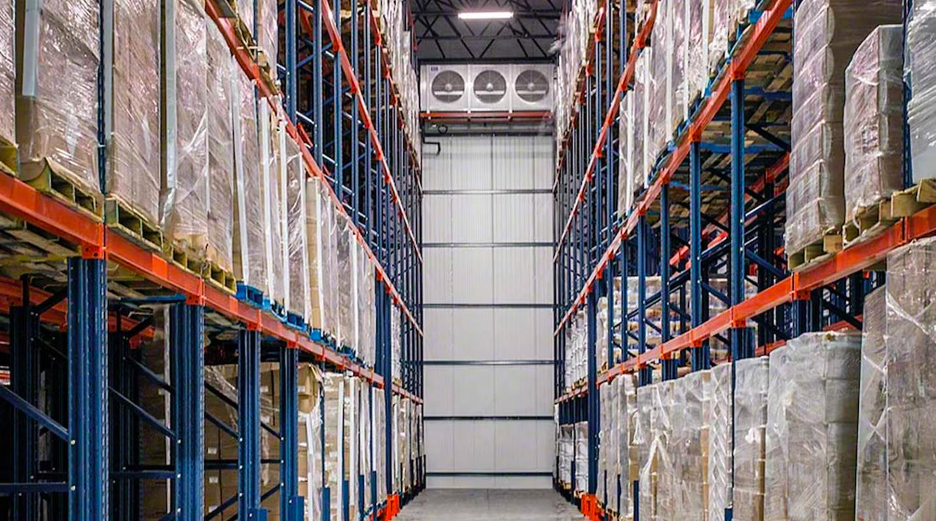
A cold storage warehouse plays an important role here. It gives sensitive cargo a controlled environment before distribution, export movement or processing. This helps protect freshness, shelf life and selling value.
Supporting Organised Retail and Food Processing
India’s retail and food processing sectors are becoming more quality-sensitive. Supermarkets, quick commerce platforms, hotels, restaurants, processors and export buyers need consistent stock condition across batches, seasons and locations.
This makes food logistics a business priority. The issue is not only availability. It is also about shelf readiness, traceability, hygiene, expiry control and customer confidence.
Modern warehouse management systems can support this shift by improving stock rotation, batch tracking, temperature records, dispatch planning, inventory visibility and good distribution practices such as FIFO/FEFO movement, temperature-controlled storage, hygiene checks, pest-control records, product segregation, vehicle sanitation and recall-ready documentation. For high-volume food businesses, these details directly affect wastage, service levels and margins.
Strengthening Healthcare Distribution
Healthcare brings a different level of responsibility. India is a major pharmaceutical manufacturing base, and many medicines, vaccines, diagnostics and biological products require controlled conditions across storage and transport.
Pharma logistics depends on trained handling, validated processes, continuous monitoring and proper documentation. A small temperature deviation can affect product integrity, which makes reliability essential across the cargo journey.
This is why temperature-controlled logistics has become central to healthcare distribution. It supports domestic healthcare access and also strengthens India’s credibility in regulated export markets.
Connecting Cold Chain with Trade Infrastructure
India’s export growth will depend on how reliably sensitive cargo is protected before it leaves the country. Seafood, frozen foods, dairy, fruits, vegetables, meat and pharmaceuticals often face strict quality checks in destination markets. Product condition must be protected through storage, customs-linked handling, port-side movement and onward transport.
For the logistics industry India is building, cold chain capability has to connect with ports, CFS facilities, warehouses, roads, rail networks and digital systems. This is where port-linked infrastructure becomes important.
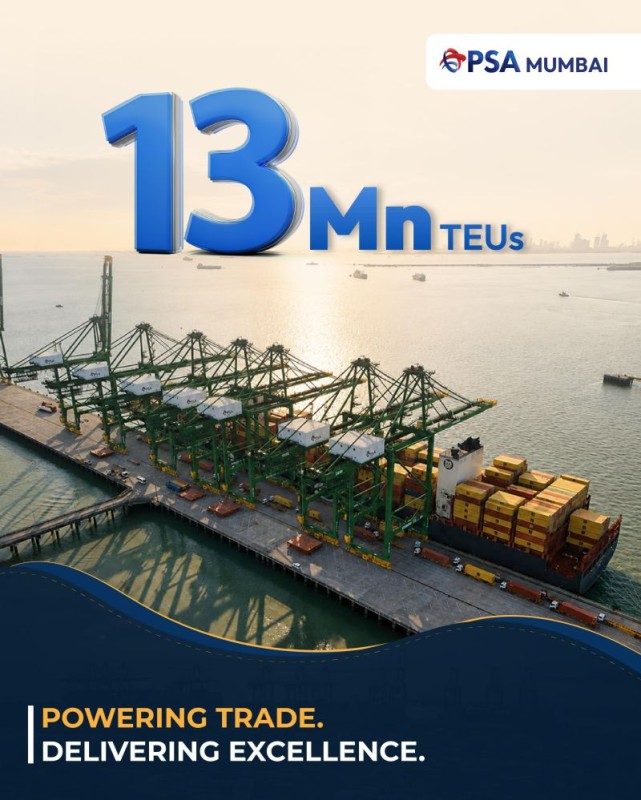
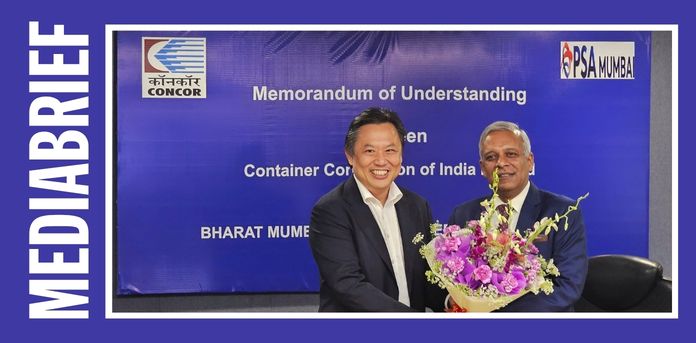
PSA India’s logistics ecosystem brings together terminal operations, inland connectivity, CFS services, warehousing and customs-linked cargo handling. At PSA Ameya, cold storage facilities and reefer points support temperature-sensitive cargo during key storage, documentation and pre-distribution stages. This gives customers better control over cargo condition while shipments move through port-linked logistics.
Why Continuity Matters
Cold chain performance depends on continuity. A refrigerated vehicle adds value when cargo has been handled correctly before loading. A storage facility performs better when power backup, monitoring, documentation and dispatch planning are in place. For sensitive cargo, every handover matters.
This is where cold storage logistics must evolve from isolated facilities to connected cargo movement. Pack houses, cold rooms, reefer vehicles, CFS facilities, warehouses, ports and last-mile distribution need tighter coordination.
Digital visibility will also become more important. Cargo owners need to monitor location, temperature, dwell time, inventory status and handling milestones. For sensitive goods, visibility is part of quality protection.
Looking Ahead
The future of cold chain logistics India will depend on how reliably the country can protect value across food, healthcare and export supply chains. As demand becomes more quality-sensitive, cold chain capability will play a larger role in reducing losses, improving market access and strengthening confidence in Indian cargo movement.
Frequently Asked Questions
1. Why is the cold chain important for India’s growth?
Cold chain helps protect quality, shelf life, safety and compliance for food, healthcare and export cargo.
2. Which sectors depend most on cold chain infrastructure?
Agriculture, food processing, organised retail, dairy, seafood, frozen foods, pharmaceuticals, vaccines and diagnostics depend heavily on controlled storage and transport.
3. What is the main challenge in India’s cold chain development?
The main challenge is coordination across storage, transport, documentation, port-linked handling, warehouses and last-mile delivery.
4. How does the cold chain support farmers?
It helps reduce spoilage, extend shelf life and improve price realisation by allowing produce to reach wider markets in better condition.
5. What role does PSA India play in cold chain-linked logistics?
PSA India supports port-linked cargo movement through terminals, CFS services, warehousing and inland connectivity. PSA Ameya’s cold storage facilities and reefer points support temperature-sensitive cargo through key storage and handling stages.
6. Why are reefer points important?
Reefer points provide powered support for refrigerated containers, helping temperature-sensitive cargo remain protected during storage and handling.